
When we talk about bearing performance, most conversations focus on load ratings, speeds, or lubrication. But there’s another factor quietly doing a lot of the heavy lifting: surface coatings.
In demanding industrial environments, the surface of a bearing often determines whether it achieves a long, reliable service life—or fails prematurely. Modern surface coatings and treatments have transformed how bearings perform across industries, from food processing to heavy manufacturing.
What Do Surface Coatings Do for Bearings?
Surface coatings improve bearing performance by reducing friction, resisting corrosion, minimizing wear, and extending service life. In harsh operating environments, the right coating can significantly reduce maintenance costs, improve equipment reliability, and help prevent premature bearing failure.
Let’s take a closer look at how these coatings work, where they add value, and how to choose the right option for your application.
Why Do Bearings Need Surface Coatings?
Many bearing failures occur because operating conditions exceed what standard bearing materials can handle. Surface coatings provide an additional layer of protection against:
- Corrosion
- Abrasive wear
- Adhesive wear
- Chemical exposure
- Moisture intrusion
- Insufficient lubrication
In demanding applications, coatings can dramatically improve bearing longevity and reliability.
How Bearing Surface Technology Has Evolved
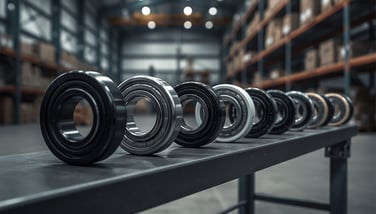
Bearing surfaces have come a long way. Advances in materials science and surface engineering now allow manufacturers to tailor coatings for specific operating conditions—whether that’s corrosion resistance, reduced friction, or improved wear life.
Today’s coatings are used across a wide range of industries, including food processing, chemical handling, manufacturing, and other environments where standard bearings may fall short.
Common Types of Bearing Surface Coatings
Anti-Corrosion Coatings
Corrosion remains one of the most common causes of premature bearing failure, particularly in humid, washdown, or chemically aggressive environments.
- Zinc-based coatings
- Provide excellent protection in humid conditions
- Offer sacrificial corrosion resistance
- Cost-effective for many general industrial applications
- Chrome plating
- Delivers superior hardness and wear resistance
- Offers excellent corrosion protection
- Performs well in harsher chemical environments
Anti-Wear Coatings
When extending bearing life is the goal, anti-wear coatings can make a significant difference.
- Diamond-Like Carbon (DLC)
- Ultra-low friction coefficient
- Exceptional hardness (up to 2500 HV)
- Protects against abrasive and adhesive wear
- Ideal for high-speed or high-load applications
- Best suited for:
- High-speed equipment
- Aerospace applications
- Precision machinery
- Applications where friction reduction is critical
- Titanium Nitride (TiN)
- Improves surface hardness and wear resistance
- Reduces friction
- Provides a distinct gold appearance for easy identification
Specialty Coatings
Some applications require more specialized solutions.
- PTFE-based coatings
- Self-lubricating properties
- Excellent chemical resistance
- FDA-compliant options available for food processing
- Well-suited for low-load or lubricant-restricted environments
- Best suited for:
- Food processing
- Packaging machinery
- Washdown environments
- Applications with limited lubrication
How Coatings Impact Bearing Performance
The right surface treatment can dramatically improve overall bearing performance:
Durability Benefits
-
- Bearing life can increase by up to 300% in harsh environments
- Reduced maintenance intervals
- Lower total cost of ownership
Efficiency Gains
-
- Reduced friction
- Lower operating temperatures
- Improved running accuracy
- Decreased energy consumption
Can Surface Coatings Really Extend Bearing Life?
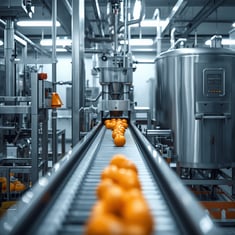
One food processing facility was experiencing frequent bearing failures due to washdown and contamination. By switching to bearings with a specialized PTFE-based coating, the results were immediate:
-
-
-
Bearing life extended from 6 months to over 2 years
-
Maintenance costs reduced by 60%
-
Contamination risks eliminated
-
Overall production efficiency improved
-
-
How to Choose the Right Coating
Selecting the appropriate surface coating depends on several factors:
Operating Environment
-
- Temperature range
- Exposure to moisture or chemicals
- Presence of contaminants
Application Requirements
-
- Speed and load conditions
- Lubrication method
- Required service life
Cost Considerations
-
- Initial investment
- Expected lifespan
- Maintenance and downtime costs
Can Existing Bearings Be Modified With Surface Coatings?
In many cases, bearings can be modified with specialized coatings to improve performance in challenging operating environments.
At Bearing & Drive Systems (BDS), surface coating modifications are often used to help customers address:
- Corrosion concerns
- Premature wear
- Food-grade requirements
- Lubrication limitations
- Harsh operating conditions
Selecting the right coating depends on the application, operating environment, and performance objectives.
What’s Next in Surface Coatings?
Surface coating technology continues to advance. Some emerging trends include:
- Nano-engineered coatings
- Enhanced wear resistance and thermal properties
- Self-healing surfaces
- Smart coatings with condition-monitoring capabilities
Frequently Asked Questions About Bearing Surface Coatings
What is the purpose of a bearing surface coating?
Bearing surface coatings help reduce friction, resist corrosion, improve wear resistance, and extend bearing service life.
What coating is best for corrosion resistance?
Zinc-based coatings and chrome plating are commonly used to protect bearings against corrosion in humid or chemically aggressive environments.
What is DLC coating on a bearing?
Diamond-Like Carbon (DLC) is a low-friction, highly wear-resistant coating used to improve bearing performance in demanding applications.
Are coated bearings worth the cost?
In many applications, coated bearings reduce downtime, extend service life, and lower maintenance costs, resulting in a lower total cost of ownership.
Can coated bearings be used in food processing?
Yes. Certain PTFE-coated bearings are available with food-safe materials and are commonly used in food and beverage manufacturing environments.
How long do coated bearings last?
Why Surface Coatings Matter
If you’re exploring surface-coated bearings or want to discuss your specific application, our technical team is always ready to help. Check out our modification page for information on Specialty Coatings.